
Overview
An instrument technician walks a plant doing a routine calibration round and notices the same handful of nameplates on nearly every transmitter, flowmeter and analyser in the building. Different duties, different pipe sizes, one manufacturer underneath most of them. It is not a coincidence a site standardises on one instrumentation supplier because it simplifies spares, calibration procedures and operator training, and ABB is one of the names UK process plants standardise on most often.
ABB's instrumentation business, formally ABB Measurement & Analytics, covers pressure, flow, level, temperature and analytical measurement across process industries from water treatment to oil and gas, and integrates with ABB's own System 800xA distributed control platform. It is a large enough range that "ABB instrumentation" as a phrase covers several genuinely different product families rather than one catalogue.
This guide covers where ABB's measurement business came from, how the current instrumentation range breaks down, and the checks worth making before you commit to an order whether that order is a straightforward like-for-like replacement or a new specification for a plant not currently running ABB instrumentation.
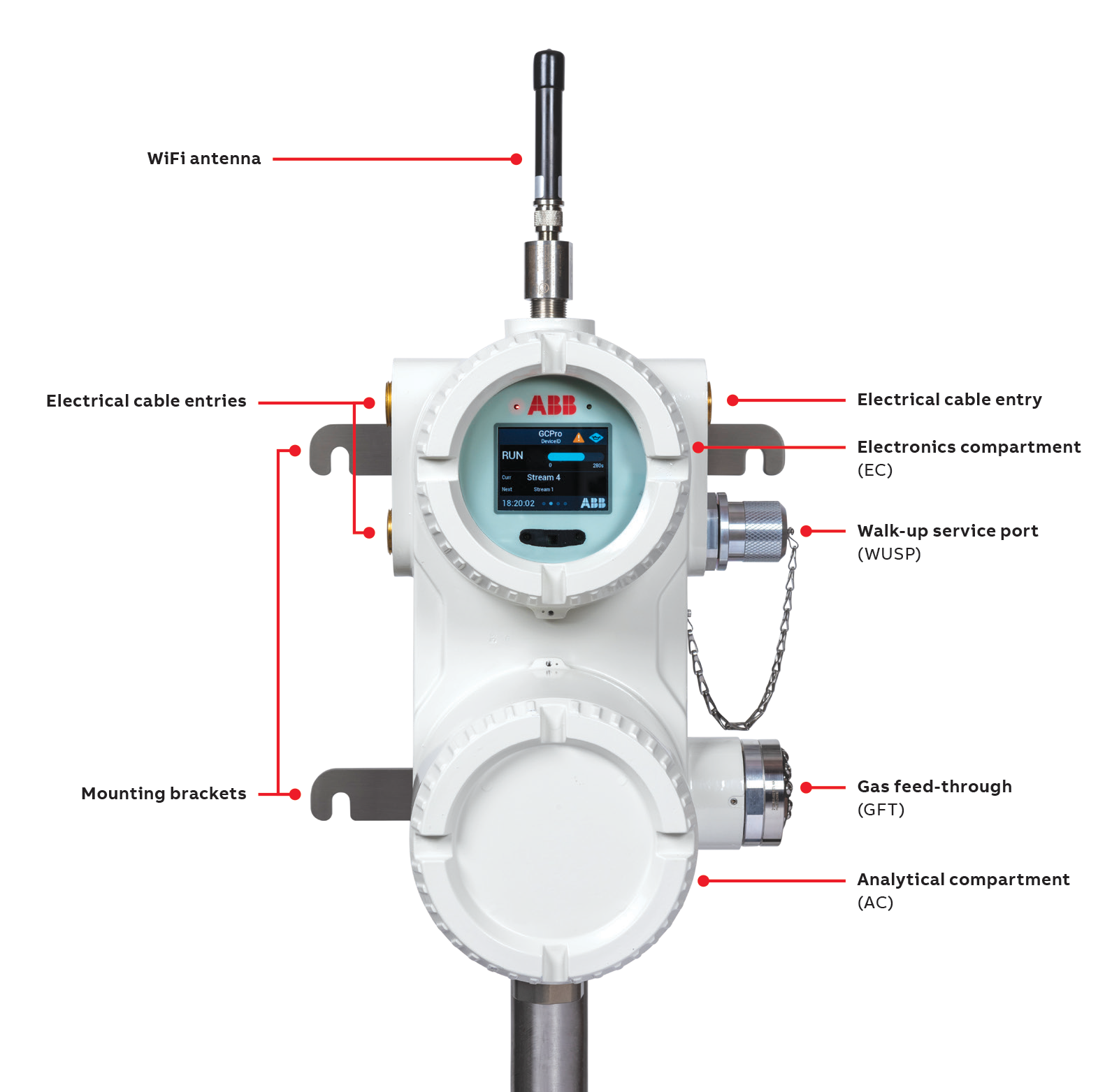
Fig. 1 An ABB GCPro gas chromatograph analyser, part of the analytical measurement range covered later in this guide.
Formed from two rival engineering giants, not built from scratch
ABB was formed on 5 January 1988, when Swedish electrical engineering group ASEA (founded 1883) and Swiss heavy-engineering firm Brown, Boveri & Cie (founded 1891) merged their operations into ABB Asea Brown Boveri. The two companies had spent decades as competitors in power generation and heavy electrical equipment before combining into what was, at the time, one of the largest electrical engineering groups in the world.
ABB's measurement and instrumentation business grew out of that combined engineering base, gathering process measurement expertise across pressure, flow and analytical technology into what is now sold globally as ABB Measurement & Analytics. Its System 800xA distributed control system sits over the top as ABB's answer to a plant-wide automation platform, giving a buyer the option of sourcing the field instrumentation and the control layer above it from a single manufacturer relationship rather than stitching several together.
The current ABB instrumentation range explained
"ABB instrumentation" spans several distinct measurement disciplines, each with its own product family and typical application.
| Discipline | Product family | What it measures |
|---|---|---|
| Pressure | 266 series transmitters | Gauge, absolute and differential pressure, widely used across process and utility applications. |
| Flow | CoriolisMaster, ProcessMaster, AquaMaster | Coriolis mass flow (including custody-transfer-certified duties), electromagnetic and water flow measurement. |
| Level | LLT100, LWT, radar & guided-wave transmitters | Non-contact laser and radar level measurement for liquids and solids, including harsh or hazardous environments. |
| Temperature | TTF, TTH transmitters & sensors | Process temperature measurement across standard and hazardous-area installations. |
| Analytical | Advance Optima, EasyLine gas analysers | Continuous gas and emissions analysis for process and environmental compliance monitoring. |
| Control system | System 800xA | Plant-wide distributed control and asset management integrating ABB's own instrumentation. |
Table 1 The current ABB Measurement & Analytics range by discipline. Exact model variants, materials and communication protocols vary considerably; confirm the specific part number against the datasheet before specifying.
Why UK process plants specify ABB instrumentation
A handful of practical reasons come up repeatedly when UK sites explain why ABB stays on the specification, beyond simple brand familiarity.
- HART, Foundation Fieldbus and PROFIBUS support as standard across most of the transmitter range, so instrumentation integrates with whichever control system a site already runs, not only System 800xA.
- Custody-transfer certification on flow measurement. ABB's CoriolisMaster range carries custody-transfer approval, which matters directly on commercial gas and liquid metering where accuracy is contractually enforced.
- A genuine UK and European support and calibration network, which matters when a shutdown window is measured in hours rather than weeks.
- Non-contact level measurement for genuinely difficult media. Laser and radar transmitters such as the LLT100 handle dusty, high-temperature or otherwise hard-to-measure solids and liquids that contact-based technology struggles with.
- SIL-rated and ATEX/IECEx-certified variants across most of the range, for installations where a safety instrumented function or a hazardous area classification applies.
The counterfeit and grey-market instrumentation problem
Process instrumentation that is widely specified and individually high in value is exactly the kind of part that attracts convincing copies, relabelled units and stock of unclear provenance, and ABB's pressure and flow ranges are no exception. The consequences of a misrepresented transmitter are worse than they first look, because a plant typically trusts the reading it produces without questioning the hardware behind it.
- Unknown or undocumented calibration
- A pressure or flow transmitter is only as good as the traceable calibration behind it. Without genuine paperwork matched to the serial number, what you have is a plausible reading rather than a defensible measurement.
- Mismatched wetted-parts material
- Diaphragm and wetted-parts material on a pressure or flow transmitter is chosen for the specific process media. A relabelled or substituted unit can look correct externally while carrying the wrong internals for your service, with corrosion or premature failure the eventual result.
- Missing or fabricated safety and hazardous-area certification
- A SIL rating or ATEX marking printed on a label is not, by itself, proof of anything. On a safety-instrumented function or a hazardous-area installation, that gap sits inside your safety case, not the seller's.
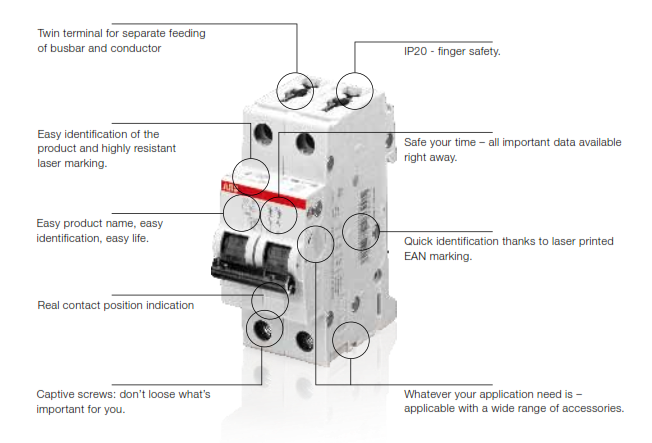
Fig. 2 Laser-printed marking and EAN identification on genuine ABB hardware exactly the kind of detail worth checking against the nameplate before you order.
Verifying ABB equipment before you order
- Cross-check the full model and option string against both the nameplate and any accompanying documentation, not just the headline product name.
- Ask for the serial number and, where the channel allows it, verify it through ABB or an authorised distributor rather than taking a seller's word for its origin.
- Treat pricing that undercuts every legitimate supplier by an implausible margin as a warning rather than a bargain. Genuine stock has a cost floor.
- Ask who actually held the stock, and for how long. An unclear chain of custody is itself a risk factor, independent of whether the part turns out to be genuine.
- Ask for photographs of the physical item nameplate, wetted parts, wiring compartment rather than accepting a generic catalogue image.
A convincing nameplate proves nothing on its own. Only traceable calibration or certification paperwork, matched to the serial number in front of you, tells you what the part actually is. If a seller cannot produce that, treat the listing as unverified.
Checks before you order
Whoever you buy from, including us, these are worth working through before the order goes in.
- Confirm the exact model and option string, not just the product family a generic "ABB pressure transmitter" description is not enough to quote against.
- Confirm the process connection and wetted-parts material against your actual process media before ordering.
- Confirm the communication protocol HART, Foundation Fieldbus or PROFIBUS matches your existing control system.
- Confirm the hazardous area zone and any SIL rating required up front, not after the order is placed.
- Ask for calibration or certification traceability as a condition of the order.
- Confirm software or System 800xA licensing requirements if the instrument is being added to an existing ABB control system.
- Get the warranty and returns position in writing, including what happens if a unit does not perform correctly on site.
- Confirm a realistic delivery date to site, not a generic dispatch estimate.
How British Instruments can help
British Instruments is a trusted UK and US supplier of genuine ABB process instrumentation. Most inquiries we receive are not a single part number in isolation; they come from a plant standardised on ABB across several measurement points, looking to extend or replace within the same range without introducing a mismatch in materials, certification or protocol.

We supply across the ABB Measurement & Analytics range 266 series pressure transmitters, CoriolisMaster and ProcessMaster flow instrumentation, LLT100 and radar level transmitters, and Advance Optima analytical systems. Send us the model number from the unit you are replacing, or a photograph of the nameplate if you are not sure what you are looking at, and we will confirm the exact variant, verify what is being offered against it, and come back with availability and a realistic delivery date before anything is priced.
Ready to Source Genuine ABB Products?
Get competitive pricing, fast delivery in the UK (EU) & US, and dedicated technical support on every order. Reach out now and receive a tailored quote within 24 hours.
Frequently asked questions
They are all part of the same parent company but different business areas. ABB Measurement & Analytics covers process instrumentation pressure, flow, level, temperature and analytical measurement while robotics, drives and electrification are separate divisions within the wider ABB group. This guide covers the instrumentation side specifically.
No. Most ABB transmitters communicate over HART, Foundation Fieldbus or PROFIBUS and integrate with whichever control system a site already runs. System 800xA is ABB's own distributed control platform and pairs naturally with ABB instrumentation, but it is not a requirement to use the field devices.
Custody-transfer certification means the meter has been independently verified to a defined accuracy standard for use in commercial transactions, where ownership of the metered product changes hands and billing depends directly on the reading. ABB's CoriolisMaster range carries this certification, which matters on gas and liquid metering used for contractual or fiscal purposes rather than internal process monitoring alone.
Both measure level without contacting the medium, but they use different technology and suit different applications. Radar transmitters generally handle a wider range of process conditions including vapour, dust and turbulence. Laser transmitters such as the LLT100 are well suited to very difficult or high-temperature solids where radar signal return can be weaker. The right choice depends on the specific vessel and media, so tell us the application and we can help you match it.
Cross-check the full model and option string against the nameplate and any documentation, verify the serial number through ABB or an authorised distributor where possible, and treat pricing that undercuts the market by an implausible margin as a warning rather than a bargain. We verify what we supply before quoting rather than after a purchase order is raised.
Yes, most of the ABB range is available in ATEX and IECEx-certified variants for hazardous area use. Tell us the zone classification and gas group for your installation and we will confirm the correct certified variant before quoting.
The model number or full tag number from the nameplate, and the process media, connection size and hazardous area classification if applicable. If you are not sure exactly what you have, a clear photograph of the nameplate is usually enough for us to identify it correctly.